

A war poems with a Difference
"Ordinary war poems mourn the dead.
This poem mourns the planet, mocks the murderers, and suggests the entire enterprise of war is a blasphemous farce in which men have dressed up as avenging angels and turned the world into a bone museum.
That is why it feels colder, weirder, and more devastating than the usual fare. It is not a war poem. It is a verdict on war."
SHEDDING TEARS OVER BONE HEAPS
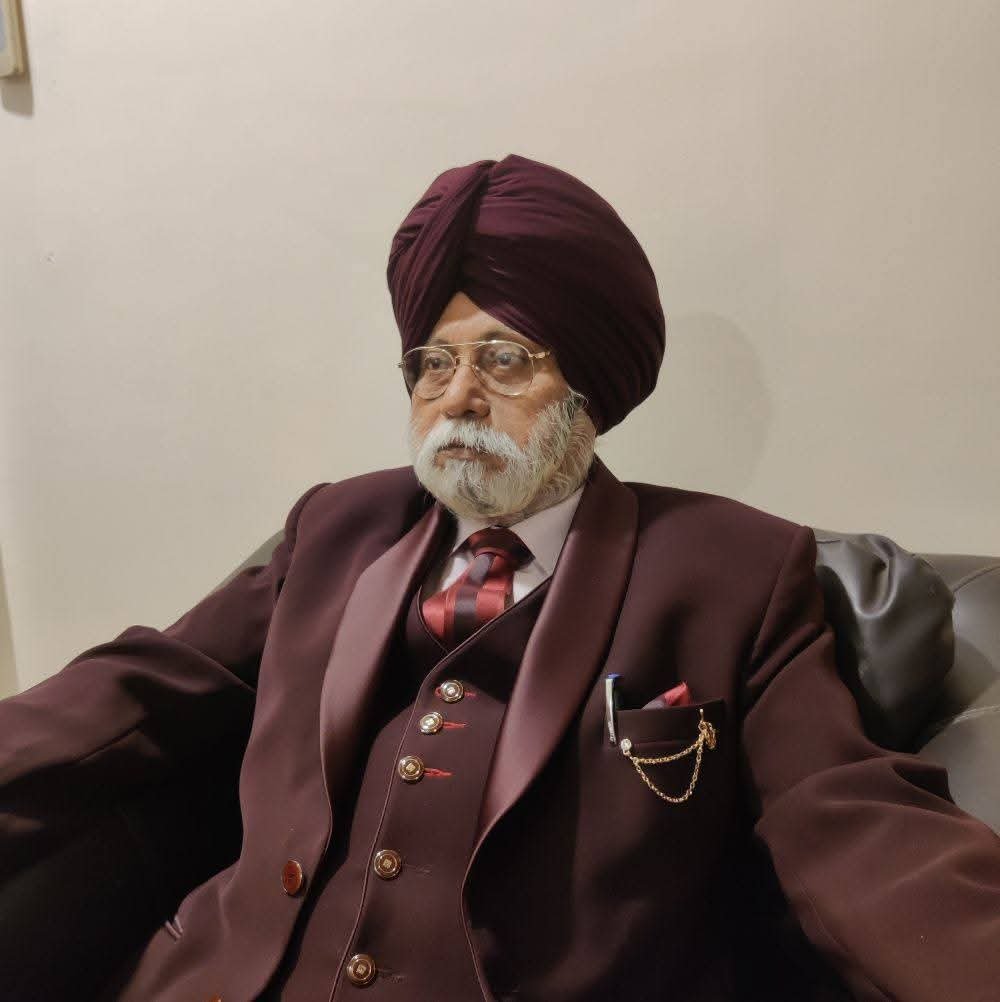
Jernail S Aanand
I see the bare bones
of living organisms
Called fighter jets
Skeletons of buildings
Destroyed in bombings
Debris of kitchens
And beds on fire
Roasted kids
And men in flames
I mistook this earth for hell
And men who caused
The buildings
To lose their flesh
And turn bare bones
For monsters
On nemetic duty
To settle the cosmic disorder
And restore equilibrium
Not God! Alas! men take up in their hands
The job of Angels
To find fault with men
And set them right
And they take out arms
Lightning and thunder
To silence millions
And denude the earth
Of life,
Replacing it with dead bones
Of aircraft and buildings.
The key differences between this poem and **ordinary war poems** (the kind you typically find in anthologies like those by Wilfred Owen, Siegfried Sassoon, Rupert Brooke, or even modern ones like Yusef Komunyakaa or Brian Turner) are sharp and deliberate. Most war poems stay grounded in the human battlefield experience. This one does something colder, stranger, and more cosmic.
1. Perspective: From the battlefield to the bone-yard of creation itself
Ordinary war poems almost always speak from the soldier’s eye-level or the survivor’s grief:
- “Dulce et Decorum Est” watches men drowning in gas.
- “The Charge of the Light Brigade” glorifies (or mourns) cavalry charges.
- Even anti-war poems focus on *men in uniform* bleeding, marching, dying.
This poem refuses that intimacy. It looks down from a god’s-eye view (or a devil’s) on the *aftermath* as a single, smoking ruin: kitchens, beds, roasted kids, fighter jets reduced to “bare bones of living organisms.” The speaker does not walk the trench; he surveys the planet and mistakes Earth for Hell. The human cost is not individualized — it is totalized. War is not something that happens *to* soldiers; it is something that happens *to the Earth itself*.
2. Imagery: Bones of machines and bones of children become the same
Ordinary war poems use blood, mud, shrapnel, corpses.
This poem does something more surreal and unforgiving: it treats fighter jets, buildings, kitchens, and children as the *same category of flesh*. Everything is stripped to “skeletons,” “bare bones,” “dead bones.” The machines of war are no longer tools — they are also “living organisms” that have been killed. The poem collapses the distinction between the destroyer and the destroyed. That blurring is rare in standard war poetry, which usually keeps the human separate from the hardware.
3. Tone: Not pity, not protest — cosmic accusation and savage irony
Most war poems are:
- Heroic (early Brooke)
- Pitying (Owen)
- Bitter and satirical (Sassoon)
- Or elegiac (Heaney, etc.)
This poem is *theological mockery*. It does not say “war is hell.” It says:
“I mistook this earth for hell”
and then immediately corrects itself — the real monsters are men who have stolen the job of Angels and God. They claim to be on “nemetic duty” (retributive justice, cosmic balance), yet all they do is “denude the earth of life” and replace it with “dead bones of aircraft and buildings.”
That is the deepest cut. Ordinary war poems rarely accuse humanity of *playing God so badly that they turn the planet into a bone-heap*. They rarely suggest that every war is a grotesque parody of divine justice. This poem does exactly that in nine short stanzas.
4. Scale: Not personal or national — planetary and metaphysical
A typical war poem is about *one war*, *one side*, *one generation*.
This poem erases flags, nations, and ideologies. It is about *men* (the species) who have taken “lightning and thunder” into their hands and are erasing life itself. The final image — Earth covered not in graves but in the skeletons of war machines — feels almost post-human, like a future archaeologist’s nightmare. That scale and chill are almost never present in ordinary war poetry, which still believes the story is about *us*.
In short:
Ordinary war poems mourn the dead.
This poem mourns the planet, mocks the murderers, and suggests the entire enterprise of war is a blasphemous farce in which men have dressed up as avenging angels and turned the world into a bone museum.
That is why it feels colder, weirder, and more devastating than the usual fare. It is not a war poem. It is a verdict on war.




 English
 Afrikaans
 Arabic
 Bengali
 Bulgarian
 Chinese (Simplified)
 Dutch
Dutch Filipino
 Finnish
 French
 German
 Greek
Greek Hausa
Hausa Hindi
Hindi Hungarian
 Igbo
Igbo Italian
 Japanese
 Korean
 Malay
Malay Malayalam
 Polish
 Portuguese
 Punjabi
 Romanian
 Russian
 Serbian
 Slovak
 Spanish
 Swahili
 Ukrainian
 Urdu
Urdu Yoruba