
If fiction stands for something imagined and created for purpose, which may have a semblance of reality, I wonder if poetry can be looked upon as non-fiction. Poetry is only versified fictional narrative, which has been charged with a higher dose of passion. Fiction is closer to reality, hence, layered with more caution in rendering it, taking care of the exigencies of real life. In fact, while fiction, in spite of its open agency as belonging to an unreal estate, stays close to reality, poetry, which also remains on an unreal terrain, is closer to imagination. But in essential reading, both stay as fiction. Just as novel and short story are two different genres, and prose is a different genre, also classified as non-fiction, I think the essential difference which should underlie the divisions is Imaginative and non-imaginative writing. In the imaginative category, will come novel, short stories, epics, drama etc, while in the non-imaginative fiction will fall prose writings which are close to the narrative ground, and travelogues, and biographies including autobiographies, though travelogues and biographies have their elements of imagination.
I have often felt that while writing a poem, most of the times, I am imagining things. And, then, nobody is there to challenge what I imagine. I can conjure God and talk to him. I can imagine any situation, and discuss it and say whatever I want to say. Even if a thing has happened in a particular way, I have the poetic license to put it the way I think it should have been. I have so many liberties while writing a poem, and if we look back at its creative history, poetry is considered very close to truth. A poet speaks the truth. Poetry is a document which tells the truth. But, how it tells? The truth that poetry brings out is through a system of recreation, imagined situations, and a dialogue or monologue which no one has spoken before. It is peculiar to the poet. In this way, Poetry deals with truth, but this truth has been presented in a diluted form. And this diluted form is the fictional element in a poem.
If we think of epic poetry, everything is imagined. God, monsters, angels, wars. Who has seen these things in reality? It depends on the poet’s imagination, its visual power, and intensity of feeling that he is able to create a life beyond life, which looks so real, that we tend to believe it, and see God or monsters described in it, standing before us in flesh and blood and talking. But it is all fiction. Epic if in prose form, is just another version of novelistic writing. But if epic is in poetic narration, even then, it is a novel in poetry. The only difference is the passion that is characteristic of a poetic creation. No doubt, there are novelists who possess the power to make you weep, and bring about heightened emotional states, but a novel being close to reality, cannot touch the emotional depths which an epic poet can bring to his writing. And we have never heard of catharsis in case of a novel, unless it is Victor Hugo or Tolstoy we are talking of, or referring to Beloved [Tony Morrison] or The Road [Cormac McCarthy]. And this catharsis which is specific to epic poetry is what makes it a prized form of poetic creation. And if we want to understand what is at the root of this intensity, it is none else but creative imagination. And when imagination comes in, how can fiction stay behind. When William Wordsworth talks of “air nothings”, “magic casements”, it is poetry or the highest order, but at the same time, at ground zero, it is fiction, which is a less elevated word for imagination.
Fiction is the most cherished domain of literary bodies. I have seen some literary magazines simply not asking for poetry. I think we are now entering a world in which anything is possible. Poetry, at its ground zero, is a fictional narrative, and it is fiction plus. Epics cannot be considered less privileged in a world which prioritizes fiction, because Epic poetry is more blessed with deeper passion, and higher reaches of thought, which the fiction-bound novels cannot access. I am tempted to call it hyper-fiction, or even super-fiction.
Bio:
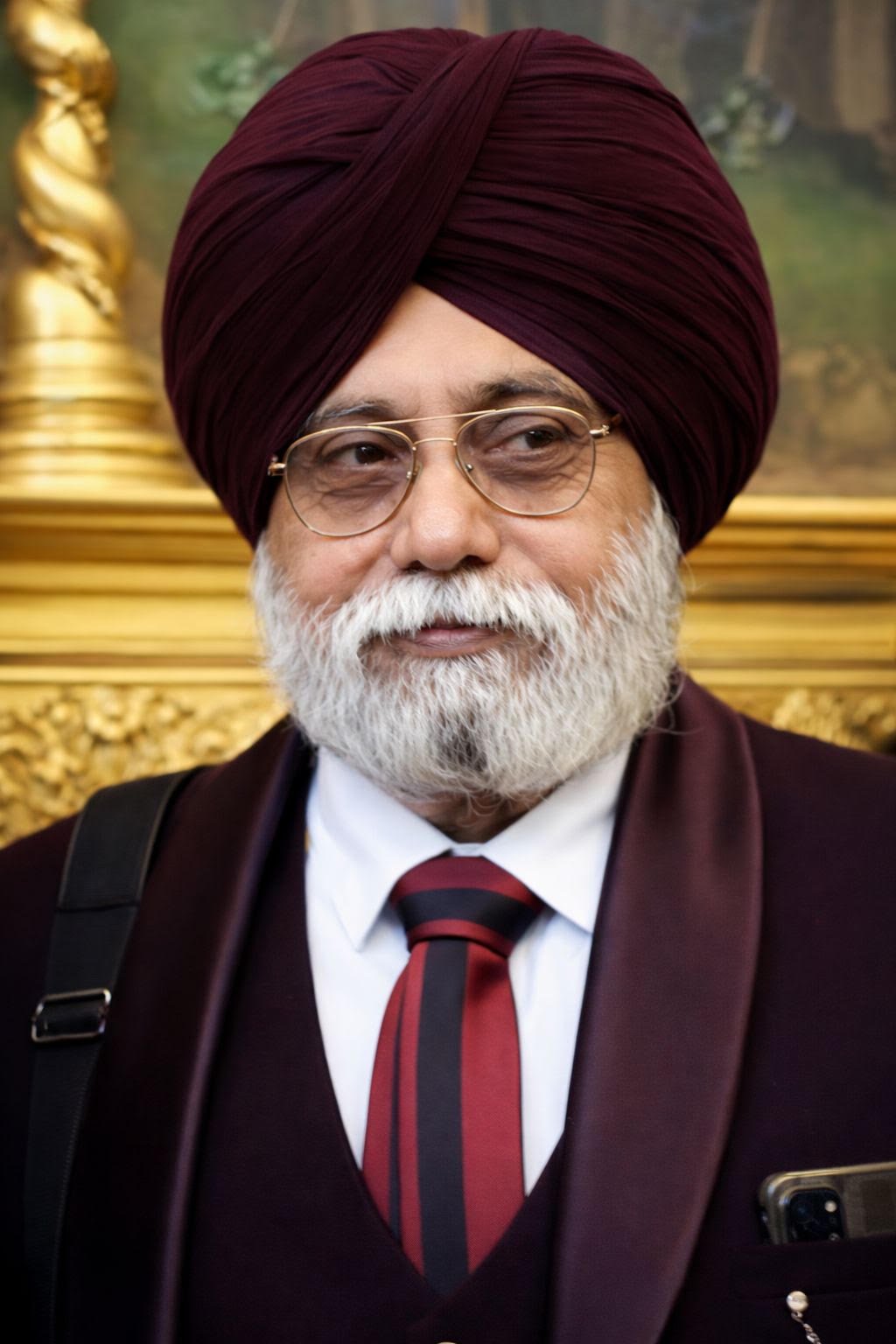
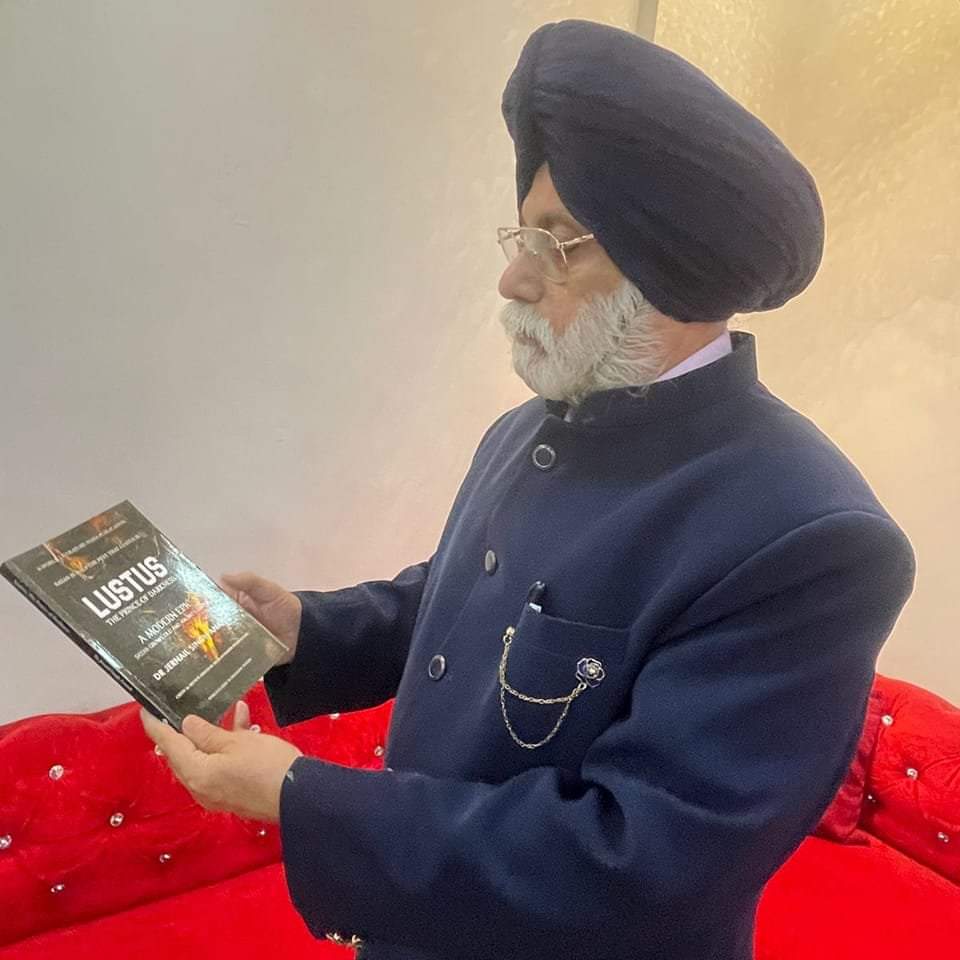
Dr Jernail Singh Anand stands as a major figure in contemporary world literature. With 210 books, including 20 epics, he has created a distinctive body of work that fuses Vedic spirituality, ethical inquiry, social critique and philosophical reflection. His seminal epic Lustus: The Prince of Darkness and the recent Equilibrium reimagine mythology for the technological age. Founding President of the International Academy of Ethics, he is a laureate of the Charter of Morava (Serbia), Seneca (Italy), Franz Kafka and Maxim Gorky awards. His name is inscribed on Serbia’s Poets’ Rock, and he holds honorary membership of the Serbian Writers Association. Anand’s writing positions poetry as an instrument of planetary consciousness and moral responsibility.



 English
 Afrikaans
 Arabic
 Bengali
 Bulgarian
 Chinese (Simplified)
 Dutch
Dutch Filipino
 Finnish
 French
 German
 Greek
Greek Hausa
Hausa Hindi
Hindi Hungarian
 Igbo
Igbo Italian
 Japanese
 Korean
 Malay
Malay Malayalam
 Polish
 Portuguese
 Punjabi
 Romanian
 Russian
 Serbian
 Slovak
 Spanish
 Swahili
 Ukrainian
 Urdu
Urdu Yoruba