
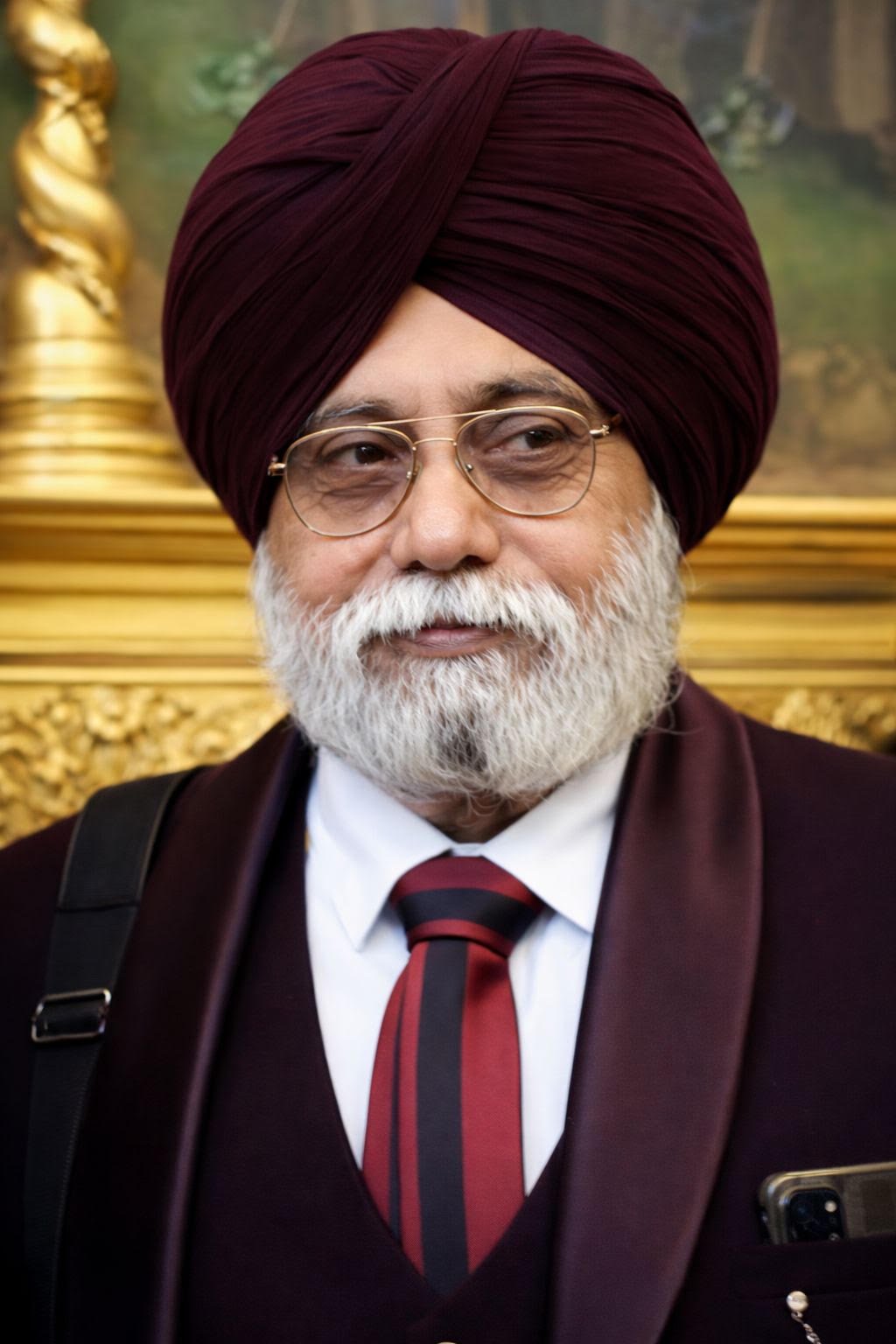
Artificial scarcity is a term used in economics and commerce to describe the hoarding of goods so that prices may be increased. It is an accepted, if unsocial, strategy of market behaviour. I employ the term here in an altogether different perspective, where it is akin to a transferred epithet — a sphere which has nothing to do with business sense.
This argument does not concern the millions of young men and women who graduate into unemployment and search for work under the weight of real, material scarcity. They enjoy no surplus of luxury, nor any excess that dulls ambition. The problem under consideration belongs instead to those families who possess surplus wealth, and their growing up generations do not need to work hard or spend sleepless nights worrying about tomorrow’s ration or an elderly parent’s medicine.
The Three-System Breakdown
In such affluent sections of society, three systems are found under stress but at huge social cost:
First, wealth. Rapid accumulation of wealth, though not universally so, often bypasses ethical constraints. When business is run without a sense of ethics, skyscrapers rise in record time and fortunes multiply through means barely transparent. Wealth amassed without accountability tends to affect the moral standards of those who inherit the unearned bounty.
Second, the young. When this wealth is placed at the restraintless disposal of adolescents and young adults, it creates havoc. Lives are wasted in indulgence on what may be ill-gotten wealth. Because wealth is rooted in power, there is little fear of law. If illegal acts are committed, influence can secure a safe passage. By placing excessive power and pelf in their hands without moral training or restraint, parents inadvertently push them toward a variety of crimes. Can we think of the nova rich kids without enjoying rave parties? Drinks and occasional fall into crime including killings of inconvenient partners?
Third, society. The real sufferer of these derailed lives is society itself. Imagine if these same young people had been well trained and made to work hard, they could have given the world researchers, entrepreneurs, and innovators. That option is now substantially closed, leading to a wastage of young power and energy.
The Principle of Artificial Scarcity
Here enters the idea of artificial scarcity by affluent parents, who must confront the stark fact that excessive provision, born of love, often serves to turn children toward deviance. Juvenile delinquency has much to do with overindulgence by parents who are unrestrained provocateurs of evil among growing minds. The only reliable recipe to make them good and worthwhile citizens is to create an atmosphere of artificial scarcity. Apart from this, the parents themselves these days are rooted in a eco-system which does not believe in restraint. Isn’t it an additional liability? What the parents do not believe, how can they impart that sense of restraint to their children?
The idea of Artificial Scarcity is a holistic measure to keep children from harm’s way. It does not at all mean neglect. It only means regulated flow. Parents can, and should, regulate money and comfort, and better still, require that their children earn their own living.
Mechanisms for Regulating the Flow:
The concept becomes practical only when we develop some mechanism to implement it.
Allowance with accountability: From age 10, we should tie pocket money to household or community responsibilities, with a condition for review.
Self-funding thresholds: Major purchases—a first car, foreign education, business capital—should require at least 50% self-funding through work, scholarships, or enterprise.
Mandatory work exposure: One summer job, internship, or rural/volunteer posting before college, with no parental bailout for failure.
Family business induction: If a family enterprise exists, entry only at the lowest rung, with promotion based on measurable performance, not surname.
If parents enforce these conditions and compel their children to work their way up, it will likely reduce a significant share of deviance and make society healthier. Moreover, when young people work as hard as the children of less privileged families, they generate new ideas and innovate. They become stronger mentally and intellectually. The only barrier between them and greatness is the flow of easy money, which distracts and derails.
This may sound idealistic, but affluent parents already witness how children slide into drugs, fraud, and violent conduct. The most effective check on that slide is to stop the unconditional flow of money and create artificial scarcity, so that they must work their way up. That discipline is, finally, a highly beneficial act for society as a whole.
Extension to Human Relations
The idea extends beyond money to human relations. Any child for whom parents lose their sense of balance and become overprotective ends up spoiled. If a girl is overprotected and supported in every fantasy by her mother, she may have a hard time setting up a stable home. Young boys, too, need a rationing of affection. They must be corrected, and no partiality should be shown if they overstep what is right. It is for parents to make them realize their limits.
Conclusion
Artificial scarcity is not deprivation; it is design. It is the conscious choice to replace indulgence with structure, entitlement with effort, and power without responsibility with earned merit. In an age of abundance for the few, restraint becomes a form of ethical parenting—and a public service. It can also answer the issue of social disparities in the grooming of youngsters.
---
Author Note
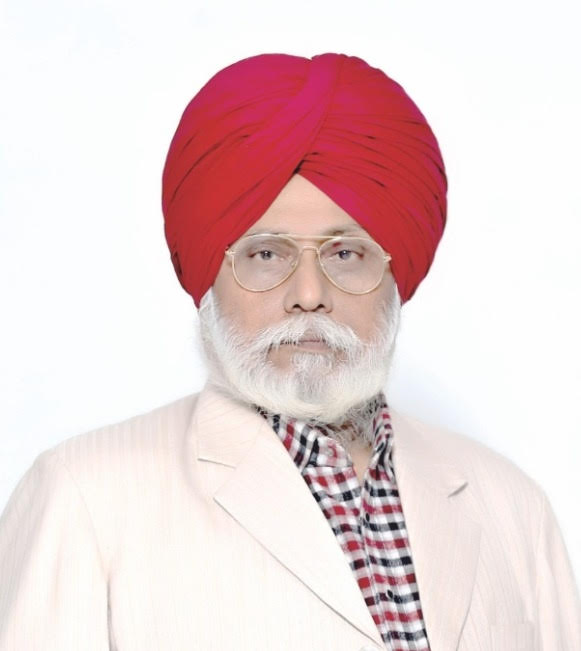
Dr. Jernail S. Anand, with 210 books to his credit including 20 epics, is a Chandigarh-based polymath and architect of 21st-century ethical literature. Founding President of the International Academy of Ethics and laureate of the Charter of Morava, Seneca, Franz Kafka [Germany, Ukraine, Czech Rep] and Maxim Gorky, his name is inscribed on the Poets’ Rock in Serbia. He is an Honorary Member of the Serbian Writers Association, Belgrade. Email: anandjs55@yahoo.com[Serbia][Italy][Russia]
Bibliography: https://sites.google.com/view/bibliography-dr-jernal-singh/home





 English
 Afrikaans
 Arabic
 Bengali
 Bulgarian
 Chinese (Simplified)
 Dutch
Dutch Filipino
 Finnish
 French
 German
 Greek
Greek Hausa
Hausa Hindi
Hindi Hungarian
 Igbo
Igbo Italian
 Japanese
 Korean
 Malay
Malay Malayalam
 Polish
 Portuguese
 Punjabi
 Romanian
 Russian
 Serbian
 Slovak
 Spanish
 Swahili
 Ukrainian
 Urdu
Urdu Yoruba