
THE BUILD UP
In ‘The Gita’ , Lord Krishna gives us theory of ‘Karma’, according to which, man has complete authority over his action, but no control over its fall out. In fact, there are three phases of an action. The planning, the action, the reaction. It is very rare that the focus is placed on the areas which precede action. Today, I wish to focus on this region of human thought which leads to action.
How we decide upon an action? ‘Karma’ theory in fact places the entire responsibility on man. He has a discerning mind which is always at work. It is this mind which finally comes to a conclusion which leads to action. What are the components of the process of human thought? According to Lord Krishna, such decisions are subject to human nature which is determined by ‘Sattva’, ‘Rajasa’ and ‘Tamsa’, the three ‘gunas’ which determine the nature of man, according to which he acts. In this way, the responsibility falls on man, after all he has been given a free will, and it is his decision how he reacts to a given situation.
It is said that it is human actions which make history. In our lives, we move forward only when we act. In a way, at first we think and decide, and then take an action. It can be said that every action is taken to satisfy an enquiry. Some question remains to be answered. Some question which needs physical reaction.
It may be going too far in complex reasoning but I can hazard to say that there is no action, only reaction.
What we call our action which, should represent our duty, is in fact our reaction to a situation. How much we understand that build-up of emotions, reasons and feelings? Is our understanding of these forces correct? We can be over reacting to the stimuli. Is it right to act? And is it right to keep silent, and let things happen? These are our conscious decisions taken after a lot of scanning within our mind. In fact, there is a situation brewing. And, this situation demands our reaction. So, our action in response to that emotional build up is our reaction to that situation.
We can call it action.
Lord Krishna now says once you have acted, you have no control over the fall out. The reason behind this assertion seems to be that like text, your action is also open to a multiple of interpretations and appreciations. A thousand people will respond in thousand and one ways. And it is not in your hands to limit the reverberations of your actions. Our voice affects the cosmos which appears to be silent. Our actions create, not reactions, but deep vibrations, which are seismographic in nature.
The Build-Up
Whatever man does, who is behind his actions? If his fate is pre-written, and things are just revealed as he moves forward, it means, his actions too are predestined. How far is he responsible for his actions? According to Karma theory, there are two things which lead man to decide upon an action: his nature and the divine that sits within his heart. Whenever we do something wrong, if we know it is wrong, it means there is some mechanism within us which tells us what is right and what is wrong. That inbuilt mechanism is the divine, seated in our hearts, where our motives are tested. Now, it depends on the nature of man, the ‘gunas’ of ‘rajas’ and ‘tamsa’, which over power the ‘sattva’ element, and force him towards evil. Lord Krishna wants man to control his mind, through ‘Karma yoga’.
Conclusion
I think the idea of action is fundamentally fluid and unstable. Actually, there is no action, only reaction, to an emerging situation. If at all any action takes place, it is in the mind of man, where chemicals get into an operational warfare, supporting or opposing a line of action.
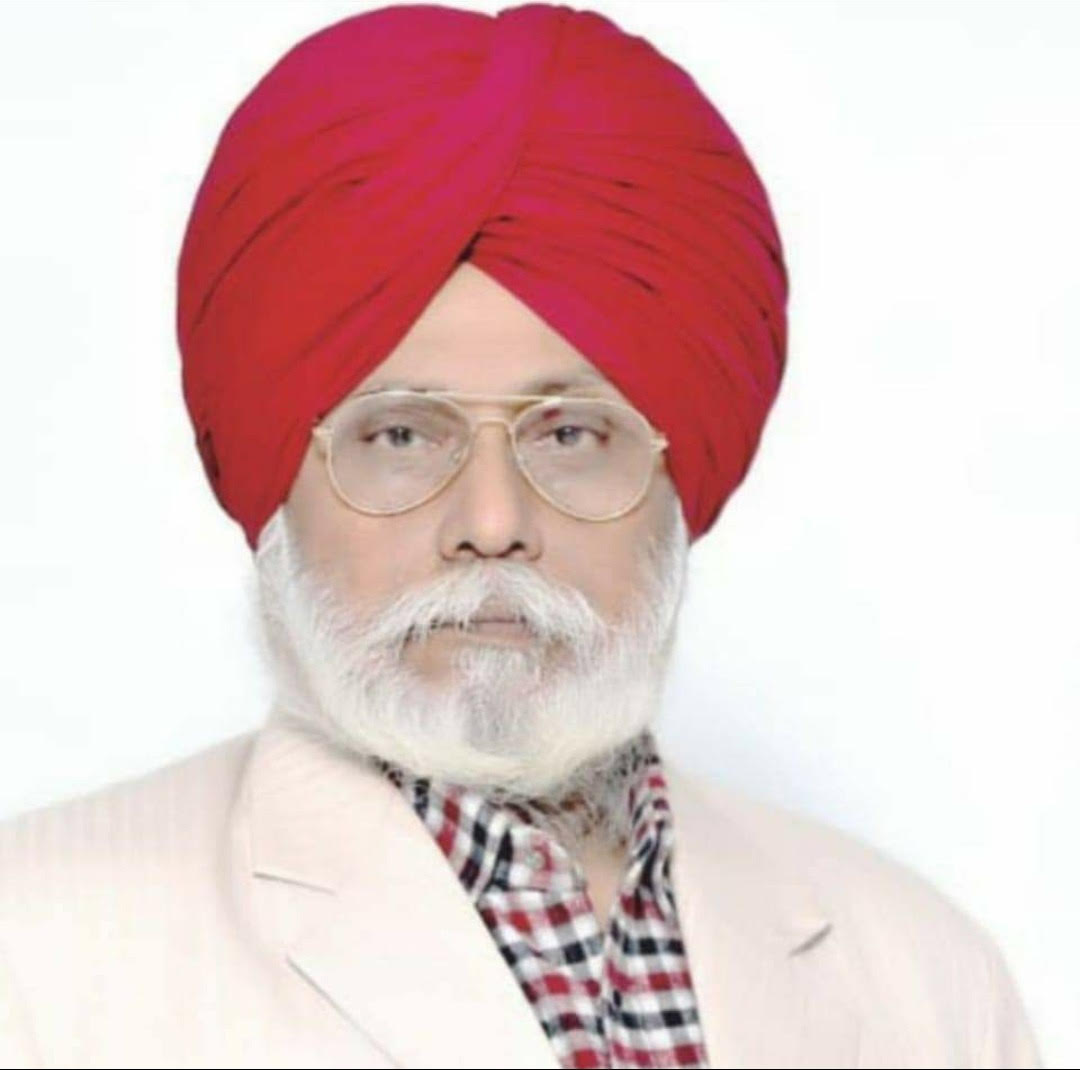
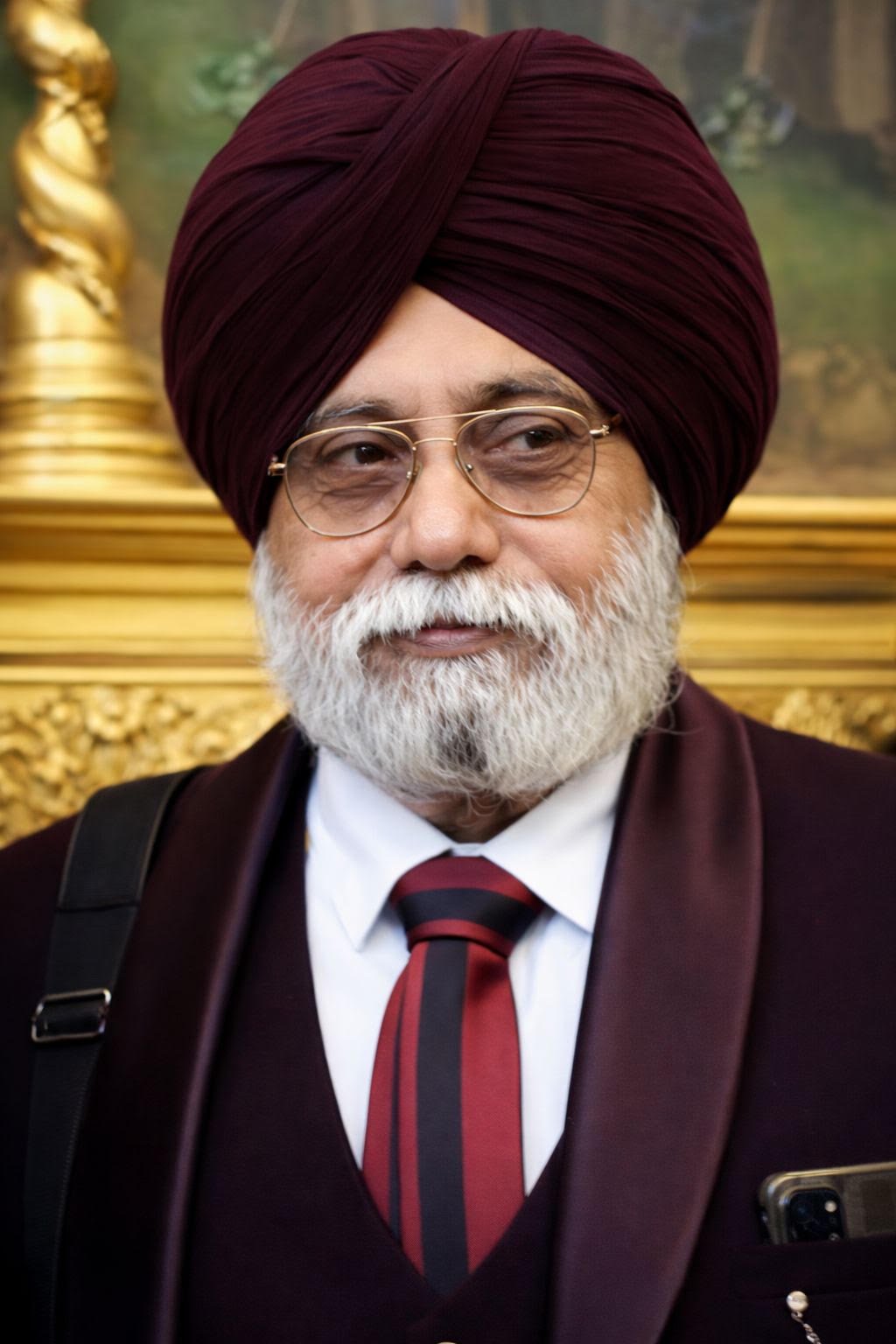
Dr. Jernail S. Anand, with 200 books to his credit [19 epics] is a Chandigarh-based top ranking presence in the contemporary world literature, a polymath, and a vital architect of the 21st century ethical literature whose seminal work ‘Lustus: The Prince of Darkness’ challenges the moral complacency of our era. Founding President of the International Academy of Ethics, and Laureate of Charter of Morava [Serbia], Seneca [Italy], Franz Kafka [Germany, Ukraine, Czeck Rep] and Maxim Gorky [Russia] Soka Ikeda and Mahakavi Bharati (India) Awards, his name is inscribed on the Poets’ Rock in Serbia. Email: anandjs55@yahoo.com.
https://share.google/QtiWrcFr7Sca7v0qC



 English
 Afrikaans
 Arabic
 Bengali
 Bulgarian
 Chinese (Simplified)
 Dutch
Dutch Filipino
 Finnish
 French
 German
 Greek
Greek Hausa
Hausa Hindi
Hindi Hungarian
 Igbo
Igbo Italian
 Japanese
 Korean
 Malay
Malay Malayalam
 Polish
 Portuguese
 Punjabi
 Romanian
 Russian
 Serbian
 Slovak
 Spanish
 Swahili
 Ukrainian
 Urdu
Urdu Yoruba